
What Prophet Muhammad’s life teaches today’s leaders
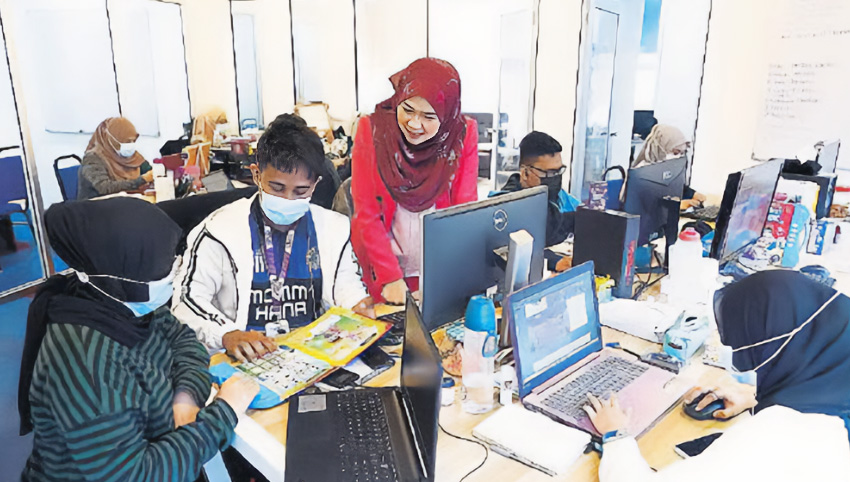
Whether in organisations, public institutions or communities, we are expected to remain steady while the world around us shifts
LETTER TO THE EDITOR
Appeared in online edition of TMR on 9th December 2025 – click to go to TMR online article.
ADVERSITY is part of life, organisations and leadership. At many points in our careers, we will face unexpected tests. Markets turn, teams struggle and strategies shift.
Earlier this year, I faced adversity myself: A triple bypass surgery that stopped me in my tracks. It made me pause and rethink how I operate and how I lead. Those few months revealed the limits of what is truly within my control, the need for patience and the importance of grounding leadership in something deeper than activity, achievements and money.
As I reflected on my own experience, I revisited the life of the Prophet Muhammad (peace be upon him), whom Muslims regard as a model of strength, wisdom and composure. His leadership through hardship offers guidance for leaders navigating complexity today. Whether in organisations, public institutions or communities, we are expected to remain steady while the world around us shifts. Prophet Muhammad’s example illuminates how to do this with dignity and clarity.
I reread Chapter 12 of the book Prophet Muhammad (peace be upon him): The Hallmark of Leadership by Dr Azman Hussin, Dr Rozhan Othman and Dr Tareq Al-Suwaidan, which provides vivid illustrations of how he approached some of the most challenging moments of his life. Four leadership principles stood out, alongside insights I gained during my recovery.
Begin with Clear Recognition of Reality
A defining quality of the prophet’s leadership was his ability to recognise circumstances fully and calmly. During the years of social and economic boycott in Makkah, he assessed the situation with composure and continued his mission with steady resolve. His supplication at Taif also reflects remarkable awareness. The words recorded describe a leader who understood his limits and placed his trust in a higher purpose with sincerity.
During my recovery, acknowledging the reality of my condition gave me the inner space to think clearly and move intentionally. Leaders today often rush into motion too quickly. A moment of clear recognition strengthens judgement, sharpens priorities and steadies the heart before decisions and actions begin.
Remain Steady in Purpose
The prophet stayed anchored to his mission through profoundly difficult chapters of his life. After the passing of Khadijah (may Allah be pleased with her) and Abu Talib, pressures increased, yet he continued teaching and preparing his companions for the future. At the Battle of Badr, he demonstrated purposeful leadership through careful planning, intelligence gathering, consultation and disciplined preparation.
In leadership, purpose serves the same role. It gives coherence to decisions and stability to teams. My own recovery brought my purpose into sharper focus. I realised I wanted to return to work with deeper intention and a stronger commitment to service.
When leaders remain steady in purpose, organisations benefit from clarity and alignment.
View Hardship Through a Lens of Meaning
The book highlights the prophet’s inner grounding and emotional resilience. His supplications conveyed sincerity and humility, which helped him carry hardship with balance. Meaning shaped his perspective and uplifted those around him.
In modern leadership, meaning plays a similar function. Many teams navigate long hours, rapid change and demanding expectations. Fatigue often arises from losing touch with what the work represents. During my months away from work, reconnecting to meaning helped me regain direction and rebuild confidence. Leaders who create this sense of meaning for themselves and their teams foster resilience and clarity.
Turn Difficulty Into a Pathway for Renewal
Chapter 12 also highlights how Prophet Muhammad transformed pressurised situations into opportunities for growth and strategic advancement.
His preparation for battles — from gathering intelligence to analysing terrain and anticipating scenarios — shows a leader who learned continuously and strengthened the community with each experience.
The Treaty of Hudaybiyyah marked another turning point, opening new pathways for stability and progress based on patience, consultation and clear assessment.
My own adversity led to what I call the HEART Framework — a way of reflecting on health, emotional readiness, meaning, rhythm and time. Renewal emerged gradually, as recovery forced me to rethink how I wanted to live and work. Leaders who treat difficulty as a moment for renewal generate clearer priorities, renewed energy and greater humility.
Leading with Presence
Adversity clarifies the inner landscape of a leader. It reveals what steadies us, what guides us and what strengthens us. The Prophet (peace be upon him) showed that leadership in hardship rests on presence: The ability to see clearly, remain anchored to purpose, draw meaning from difficulty and move forward with renewed direction.
My own experience taught me that hard- ship can reshape leadership in meaningful ways. When leaders respond with reflection and sincerity, challenges become opportunities to grow in wisdom and impact. As uncertainty becomes a defining feature of our world, these timeless principles offer a steady path for leaders seeking to navigate difficulty with strength, humility and clarity.
- Hasannudin Saidin, CEO Coach, Rubah Associates and can be reached at hasan@rubah.my
